
Museo Torres García (Sarandi 683, Montevideo) – housed with the historic Palacio Heber, this museum is named after Uruguayan native Joaquin Torres García (a famous Cubist artist) — who spent much of his artistic career in France. There’s an impressive collection of Garcia’s paintings, drawings, writings (and even furniture) as well as the photographs, magazines […]

Museo del Gaucho y de la Moneda (Av. 18 de Julio 998, Barrio Sur, Montevideo) – this museum pays homage to the country’s gauchos (cowboys), their horses, and the campo (countryside). There’s an impressive collection of artifacts, such as horse gear, silver works, matés and bombillas (filtered metal straws – used for sipping the country’s […]
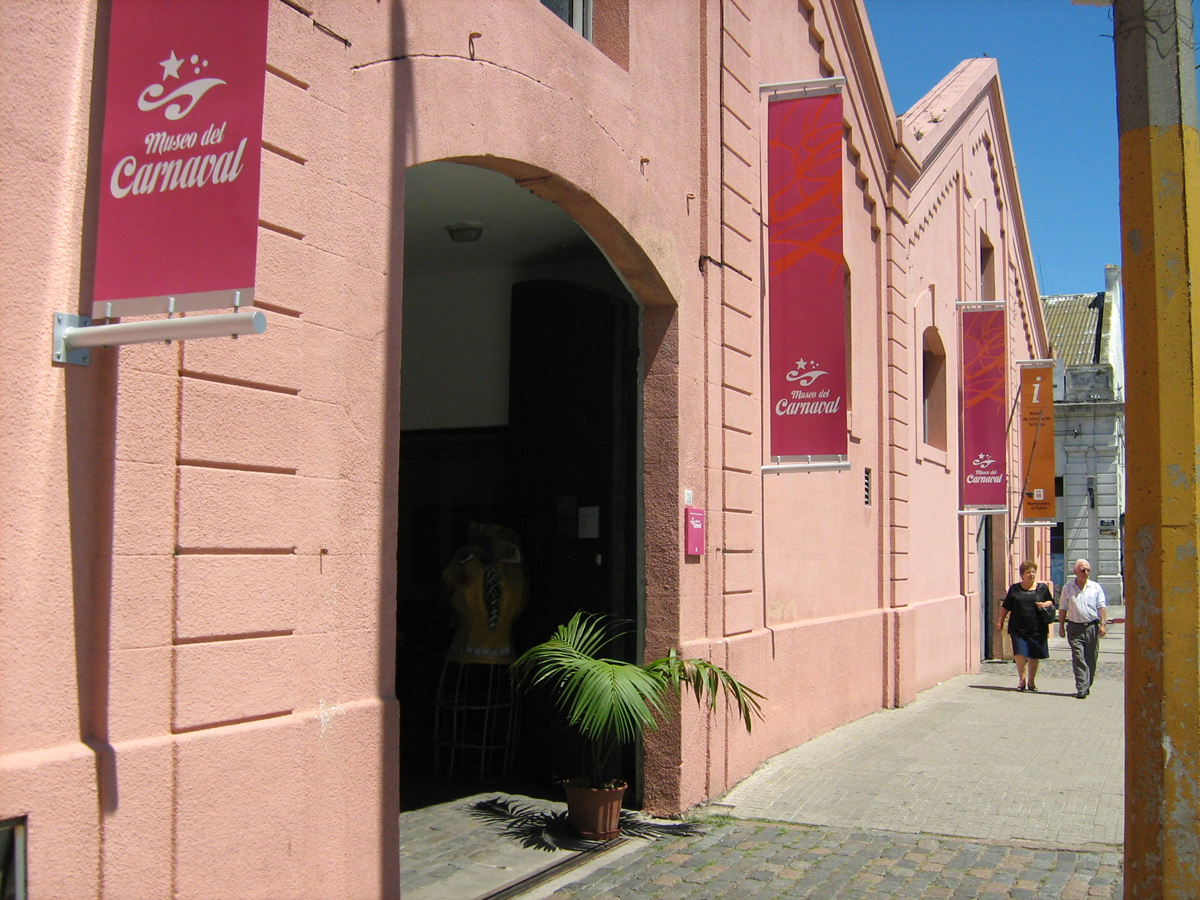
Museo del Carnaval (Rambla 25 de Agosto 1825 Nº 218 esq. Maciel Ciudad Vieja, Montevideo) – launched in 2006, this museum (located near the Mercado del Puerto) highlights the country’s annual Carnaval festivities and its significance to Uruguayan culture. It also has exhibits on the African-based drum-based dance and music form “Candombe” – which is […]
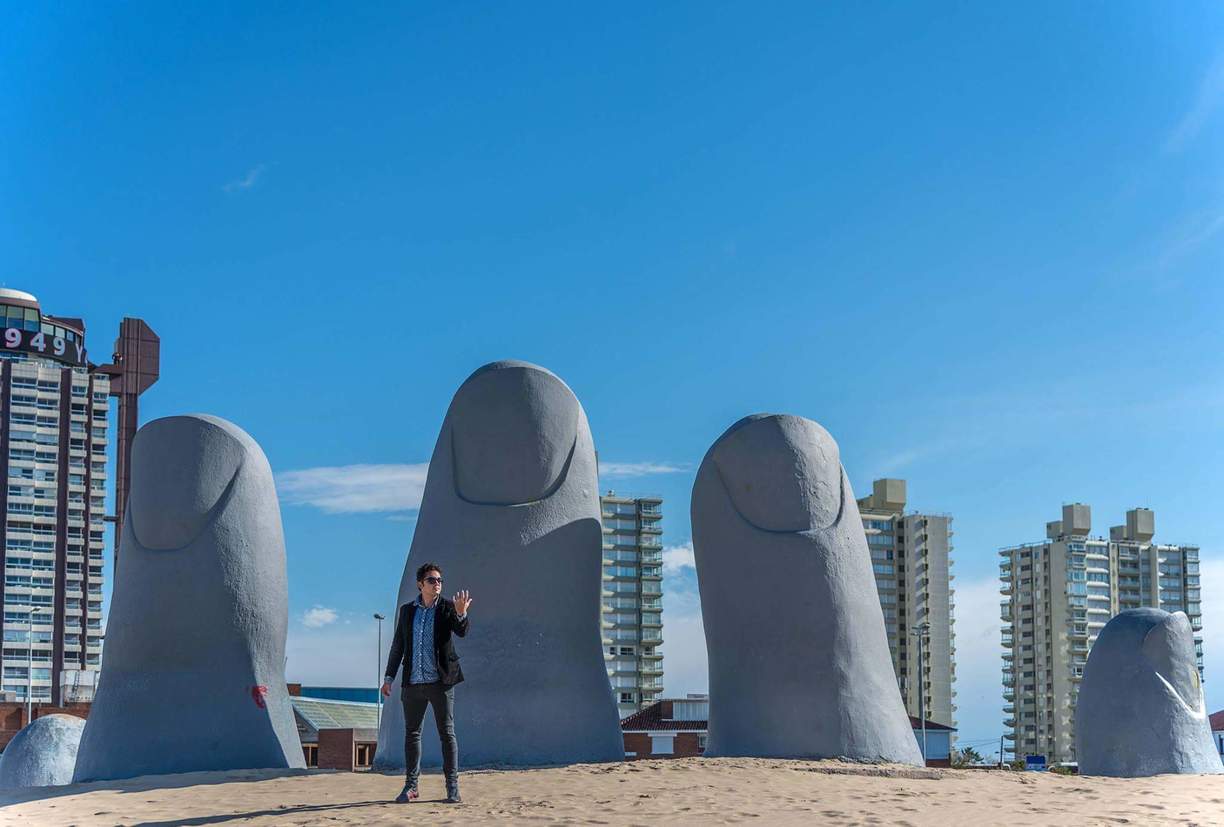
Monumento al Ahogado (Parada 1, Playa Brava, Punta del Este) – this intriguing sculpture (depicting five human fingers emerging from the sand) was made by Chilean artist Mario Irarrázabal in 1982, and was placed at this beach at Punta del Este. Irarrázabal was inspired to make this public artwork by the beach’s rough waters (as […]
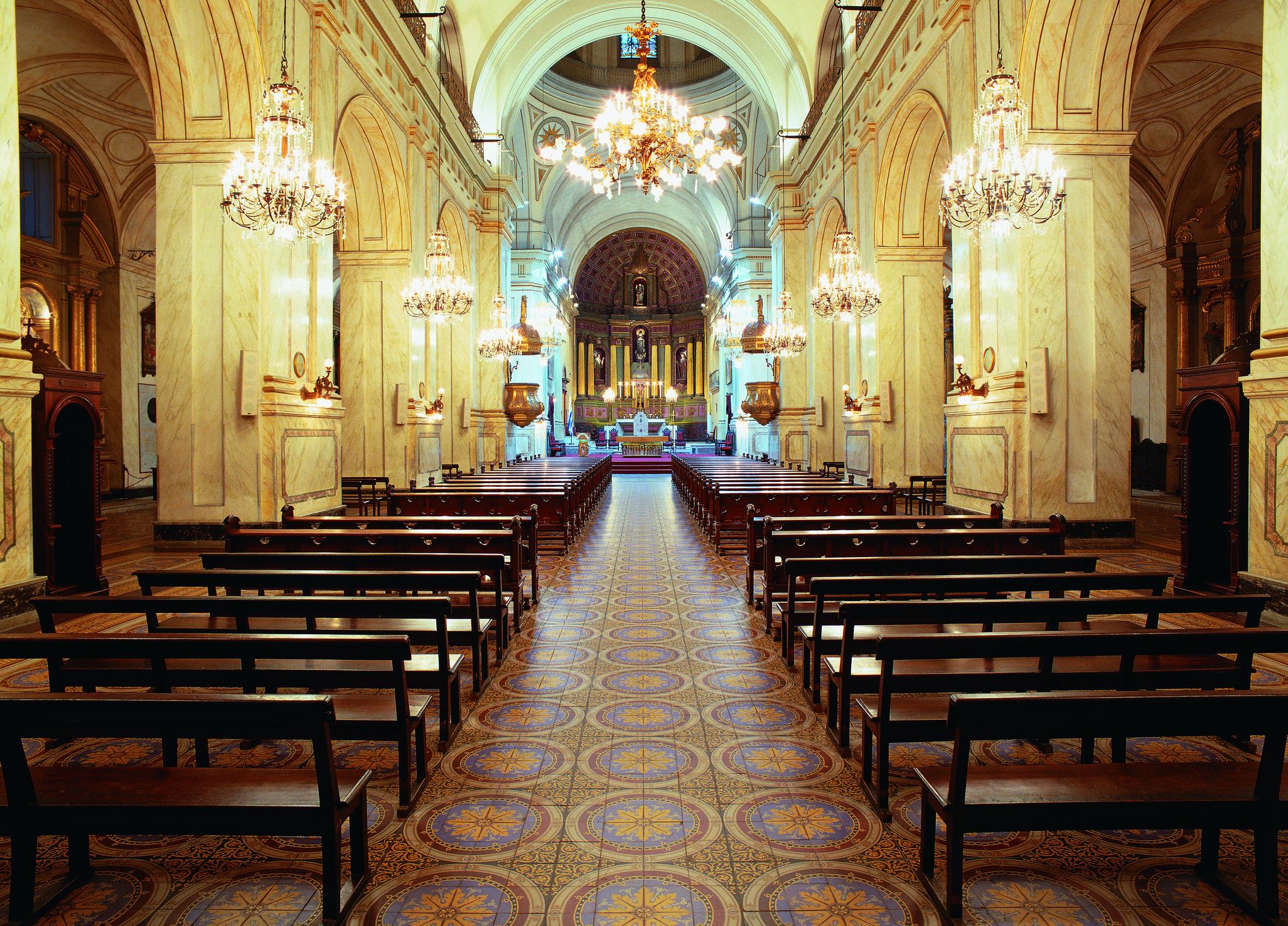
Montevideo Metropolitan Cathedral (Ituzaingo 1373, Montevideo) – this is the country’s main Roman Catholic Church, and the seat of its archdiocese (built by the Spanish during its colonial era). The cathedral is dedicated to the Immaculate Conception and the patron saints of the city (San Felipe and Santiago, that the Apostles Saints Philip and James).
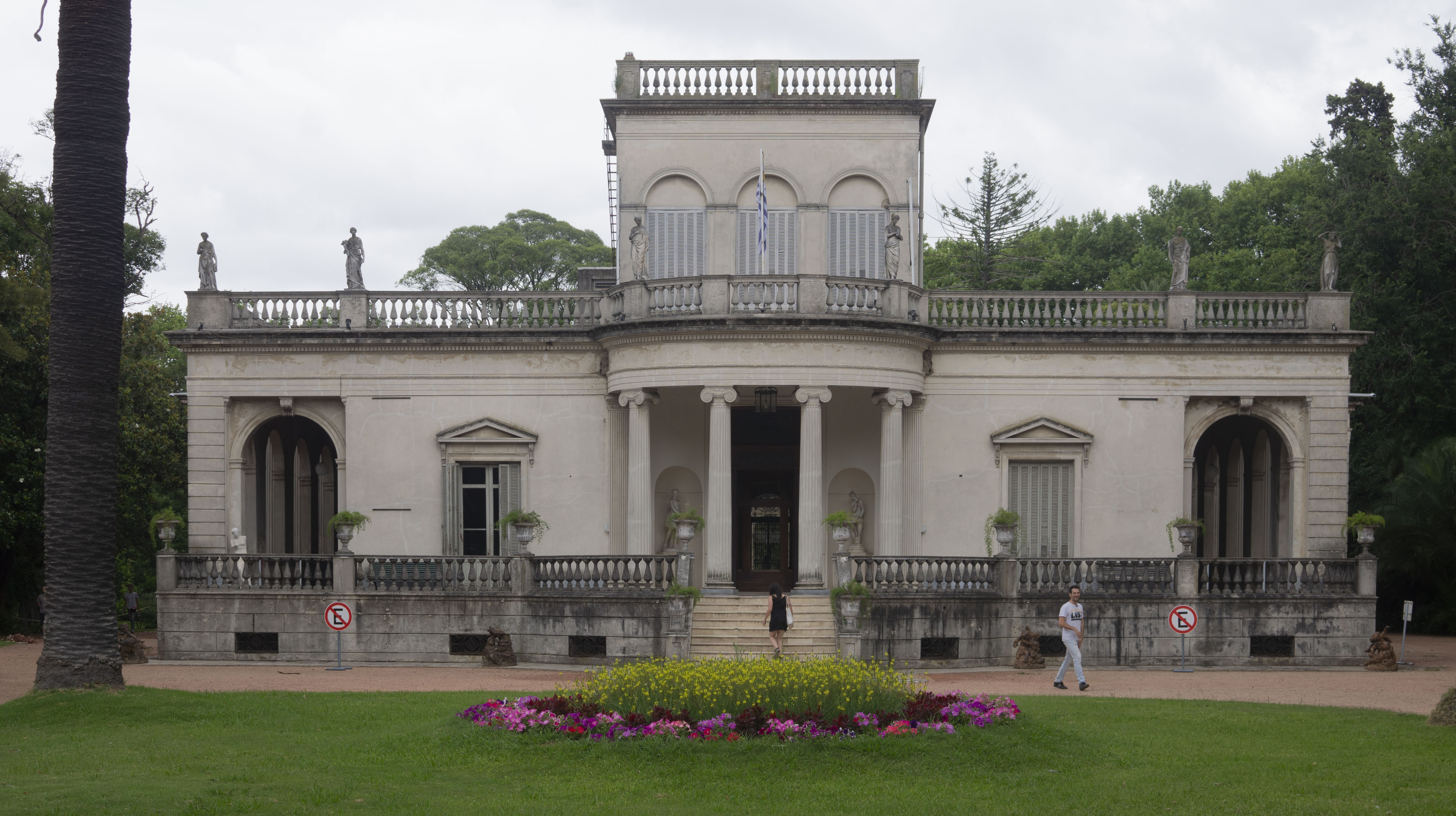
Juan Manuel Blanes Museum (Av. Millan 4015, Montevideo) – named after the patriotic Uruguayan artist Juan Manuel Blanes, this is the museum of the city of Mo. Housed in a villa from the 1870s, the museum displays artwork made by the country’s artists from the early day of Uruguayan independence to the present. Admission: free. […]
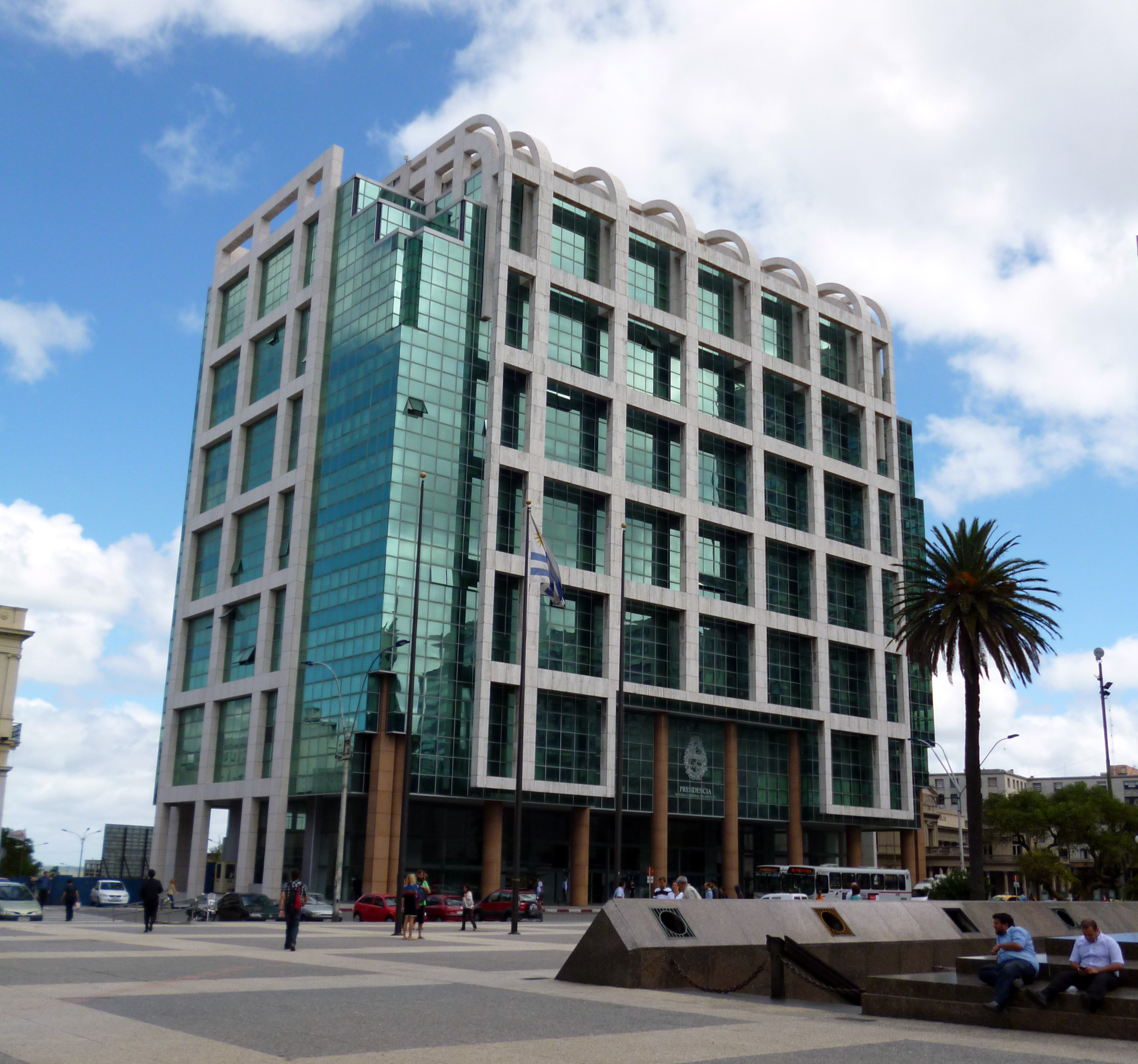
Executive Tower (Plaza Independencia, Ciudad Vieja, Montevideo) – located a block away from Estevez Palace, this is the current office of the president of Uruguay. Construction of this building originally began in 1965 (as the then-future Palace of Justice), but was interrupted in 1973 because of a military coup that year. With a return to […]
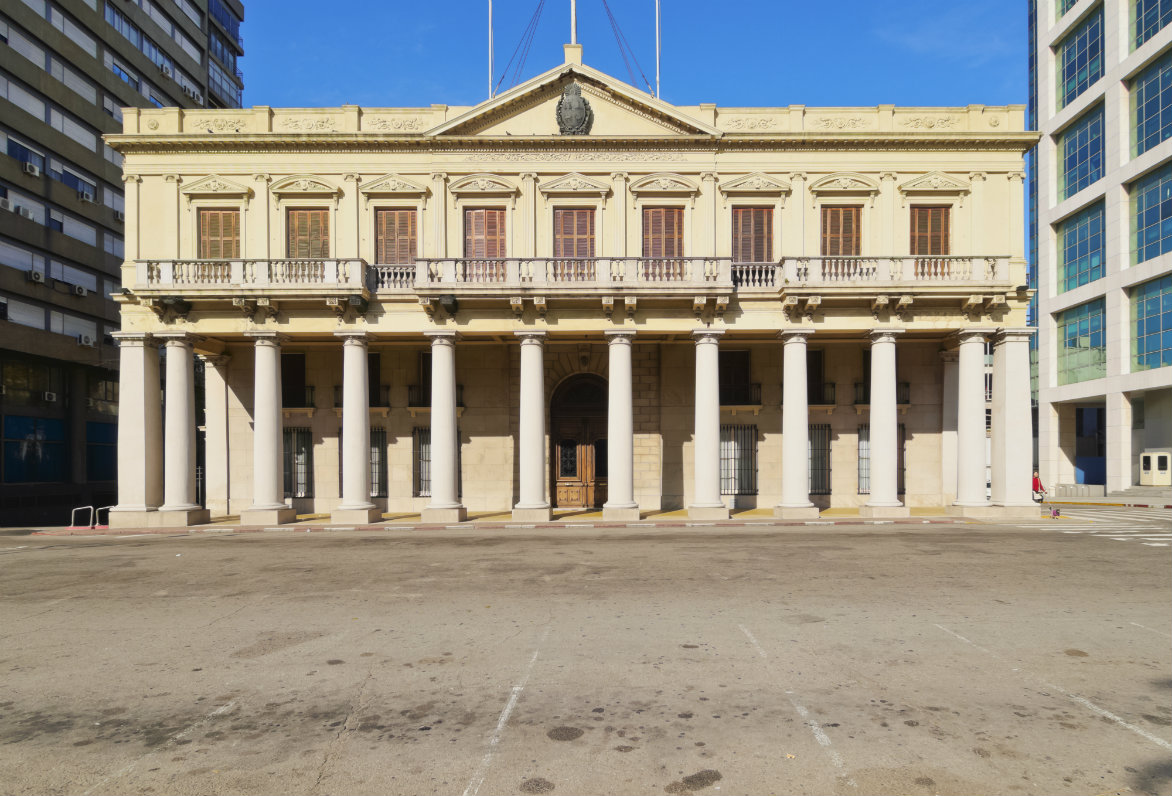
Estevez Palace (Plaza Independencia, Ciudad Vieja, Montevideo) – this building, built in 1873 (using Doric and Colonial architectural styles), acted as the office of the country’s president until the country’s return to democracy in 1985. Since then, it has been used only for official functions.
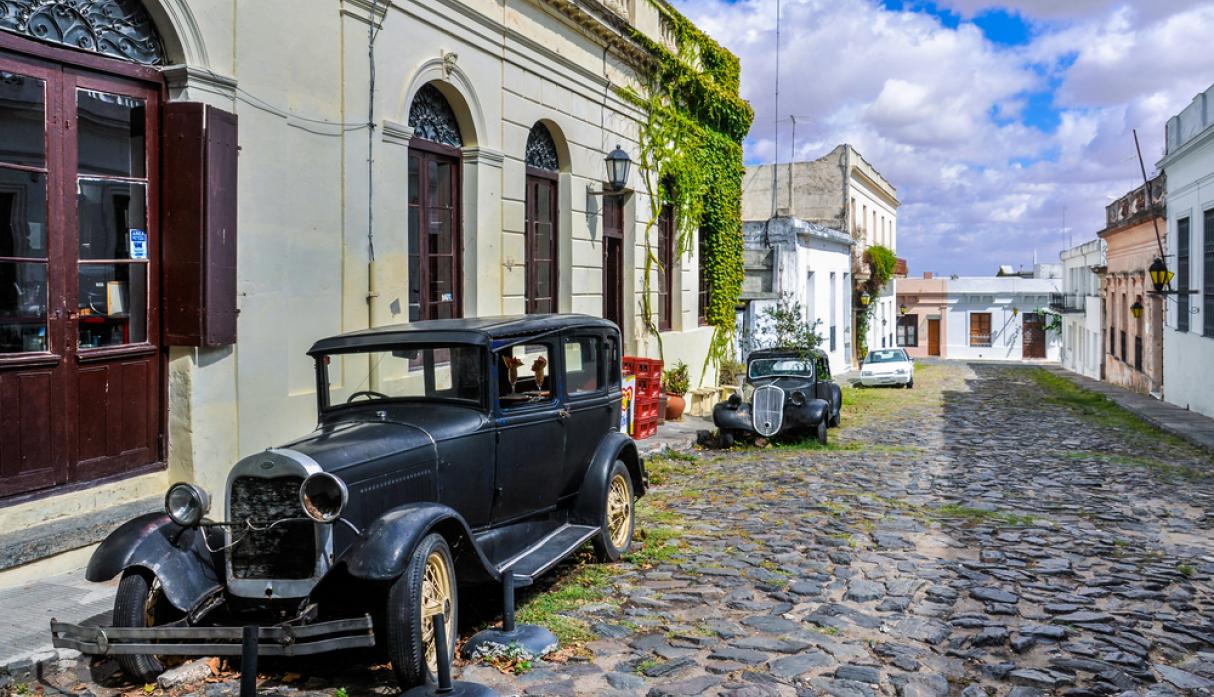
Colonia del Sacramento (Montevideo) – located two hours west of Montevideo (via Ruta 1), this town was originally settled by the Portuguese in 1680, and before the early 1800s, constantly changed hands between the Spaniards and the Portuguese (before becoming part of the independent nation of Uruguay). This town, which is on the Rio de […]
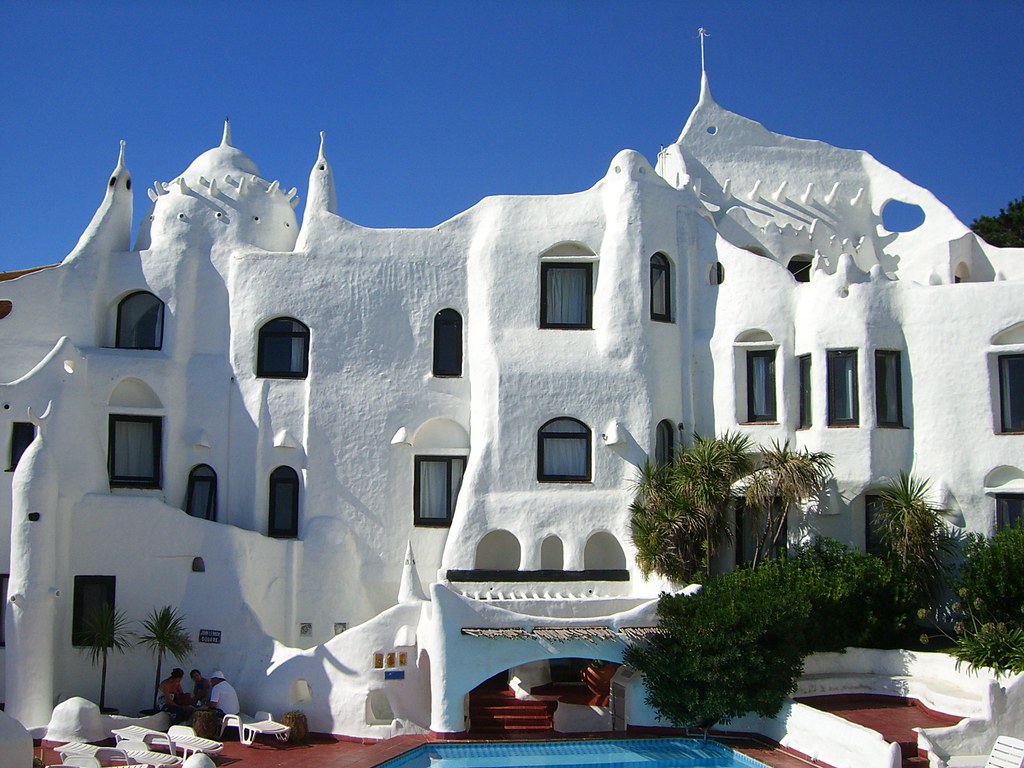
Casapueblo (Maldonado, Punta Ballena) – located just outside of the resort enclave of Punta del Este, this architectural wonder is the home of Uruguayan artist Carlos Páez Vilaró (the white-washed structures were developed as a citadel-sculpture similar to homes found in the Greek island of Santorini). Originally built as a tribute to Páez’ son Carlitos […]